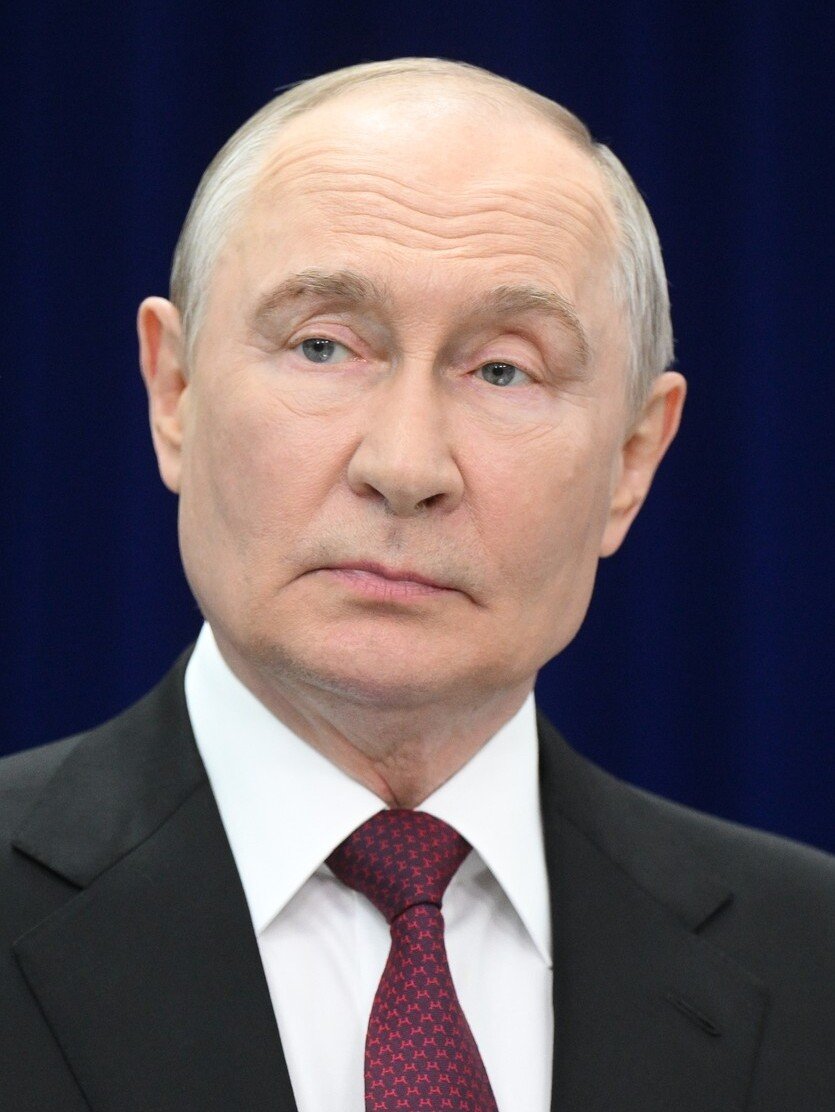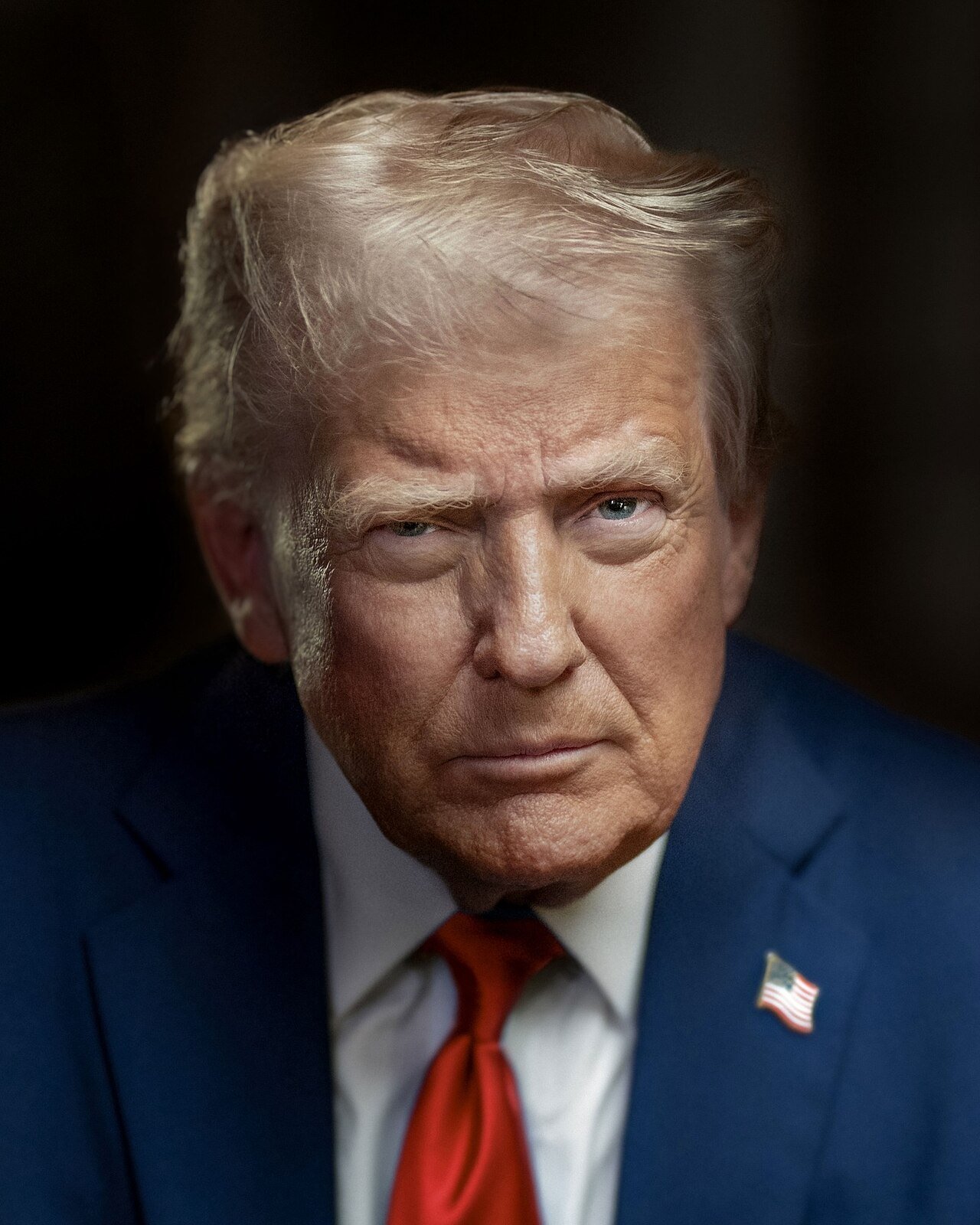
DENTON, Texas — President Donald Trump issued another warning to Iran during remarks in Texas on October 1, saying the conflict would end “one way or the other” and arguing that Tehran faced a choice over whether to make an agreement acceptable to Washington.
The comments came during Trump’s visit to the Peterbilt plant in Denton. A transcript of the event confirms that the president discussed Iran while speaking about energy, manufacturing and the administration’s broader policies.
RT’s Spanish-language report highlighted Trump’s statement that Iranian leaders should do something “very proper and smart” or face severe consequences. The article framed the remarks as placing Tehran before a stark choice. Because the rhetoric concerns an active international conflict, it is important to distinguish Trump’s threat from an established prediction of what will happen next.
The United States is simultaneously increasing military pressure in the region. The Associated Press has reported additional U.S. naval deployments, including a third aircraft carrier and thousands of personnel, as the administration weighs possible further military action. Those deployments expand the options available to the president but do not by themselves establish that a new strike has been ordered.
Diplomatic contacts have also continued through intermediaries. That creates a situation in which military reinforcement and negotiation are taking place at the same time rather than as mutually exclusive paths.
Trump has publicly questioned whether Iran would honor an agreement, while Iranian officials have rejected key U.S. positions and disputed American claims about control and military dominance in the region. Each side’s public statements should therefore be read as advocacy by governments involved in the conflict, not as neutral descriptions of battlefield conditions.
The Strait of Hormuz remains strategically important because of the large volume of globally traded energy that normally passes through the waterway. Any sustained disruption there can affect shipping, insurance, oil prices and fuel costs well beyond the Middle East.
The latest U.S. force movements increase Washington’s capacity for air and naval operations. At the same time, the existence of indirect diplomatic exchanges means the conflict is not being conducted solely through military channels.
Trump’s Denton remarks add to the pressure on Tehran but do not settle which course the administration will ultimately take. Further military action, a negotiated arrangement or a continuation of the current combination of force and diplomacy remain distinct possibilities.
For readers, the most important distinction is between capability and decision. The United States is positioning additional military assets and the president is using increasingly sharp public language. Neither fact alone proves that a specific new military operation has been authorized.
Sources for this report
Links to documents or reporting used to prepare this coverage.